
Understanding Your Limits
Entering a casino can be an exhilarating experience, filled with lights, sounds, and the thrill of chance. However, one of the most important aspects of gambling is knowing your limits. Setting a strict budget before you start playing can prevent you from overspending and help manage your expectations. Many gamblers make the mistake of playing until they’ve exhausted their funds, which often leads to regret. By understanding your financial limits, you can explore casino sites fast withdrawal options that allow for quick cashouts, ensuring your gaming experience remains enjoyable rather than detrimental.
Additionally, it’s crucial to acknowledge your emotional state while gambling. If you notice that you’re feeling frustrated, anxious, or overly excited, these emotions can cloud your judgment. Emotional decision-making can lead to poor choices at the table, ultimately resulting in losses. Establishing awareness of your feelings and recognizing when they affect your gameplay can guide you to leave the table and reassess your strategy or take a break. This self-awareness is key to maintaining control over your gambling habits.
Every gambler experiences ups and downs, but knowing when to step back is essential. If you find yourself chasing losses, it’s a clear sign that you should reconsider your position at the table. Chasing losses often leads to even larger losses and can turn a fun evening into a stressful one. Remember that gambling should be viewed as entertainment, not a way to recoup money. By walking away when emotions run high, you preserve your enjoyment of the activity.
Recognizing Winning Streaks
Winning streaks can be exhilarating, leading many players to stay at the table longer than they should. It’s easy to get carried away in the excitement of winning, but this can often lead to complacency. Setting a predetermined win goal before you start playing can serve as a guide for when to walk away. For instance, if you reach your target winnings, consider it a sign to cash out and take a break. This tactic not only helps lock in your profits but also prevents the common pitfall of giving back your winnings to the house.
Moreover, a critical aspect of gambling is learning to distinguish between skill and luck. While it may feel like you have mastered a game when you’re winning, it’s essential to remember that luck can quickly change. A winning streak may lead to overconfidence, which can cloud your judgment. By adopting a disciplined approach and recognizing when to leave the table after a successful run, you can mitigate future losses and enjoy your experience without unnecessary risk.

In some cases, players may find themselves on a losing streak after a series of wins. This can be particularly frustrating and may tempt you to continue playing in an attempt to break even. However, recognizing that it’s time to walk away can save you from deeper losses. By keeping your emotions in check and adhering to your predetermined win goal, you can avoid the trap of avarice and maintain a more balanced approach to your gambling experience.
Time Management and Gaming Sessions
Effective time management is a vital component of a successful casino experience. Prolonged gaming sessions can lead to fatigue and impaired decision-making. Gamblers should consider limiting their playtime to ensure they remain mentally sharp and engaged. Setting a timer can be a practical method to help you stay on track. When your time is up, it’s a good indication that you should step away from the table, regardless of whether you’re winning or losing.
Additionally, consider taking regular breaks throughout your gaming session. Stepping away from the table allows you to recharge and reassess your approach. A quick walk or a short break to enjoy a drink can provide clarity and help you maintain a good perspective on your gameplay. This practice not only refreshes your mind but also helps you stay grounded in your gaming strategy. Remember, casinos are designed to keep you engaged and playing for as long as possible; it’s easy to lose track of time if you’re not careful.
Incorporating effective time management strategies can also enhance your overall gambling experience. By being conscious of the time spent at the table, you can enjoy the game while remaining responsible. Ultimately, knowing when to walk away based on your gaming sessions can lead to a more satisfying and sustainable gambling experience, reducing the risk of overspending and promoting responsible play.
Signs of an Unhealthy Gambling Habit
It’s crucial to recognize the signs that gambling may be becoming a problem for you. If you find yourself regularly feeling guilty or anxious about your gambling activities, it’s a clear signal that you should evaluate your habits. Gambling should be a source of entertainment, not stress or emotional turmoil. If you notice any negative impacts on your personal or professional life stemming from your gaming habits, it may be time to step away from the table and reassess your relationship with gambling.
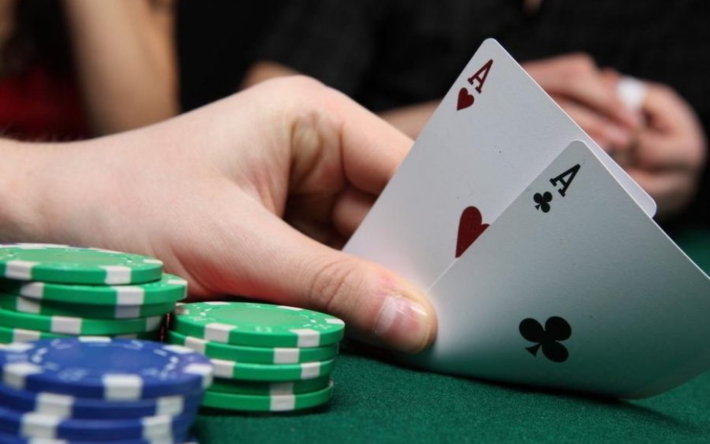
Another significant indicator of an unhealthy gambling habit is the tendency to gamble to escape personal problems. Whether it’s stress from work, relationship issues, or financial difficulties, using gambling as a coping mechanism can lead to a destructive cycle. If you find yourself frequently returning to the casino as a form of escapism, walking away is paramount. Establishing a healthier outlet for stress and emotions can create a more balanced lifestyle and reduce the urgency to gamble.
Lastly, if you are borrowing money or selling possessions to fund your gambling, it’s essential to recognize the seriousness of the situation. This behavior often suggests a compulsive gambling issue that needs immediate attention. Walking away from the table and seeking help is a courageous step toward recovery and can significantly improve your overall well-being. If you notice these signs in yourself or someone close to you, it’s important to reach out for support and take the necessary steps to address these issues.
Finding Resources and Support
Understanding the complexities of gambling and knowing when to step away is crucial, but it can also be beneficial to have access to additional resources. Many organizations offer support for individuals who may be struggling with gambling-related issues. These groups can provide valuable information and assistance to help individuals make informed decisions about their gambling habits. Connecting with a support group can foster a sense of community and help individuals feel less isolated in their experiences.
Additionally, many casinos offer programs and resources aimed at promoting responsible gambling. These may include self-exclusion programs or informational materials that encourage players to be aware of their gaming habits. Taking advantage of these resources can reinforce the commitment to responsible gaming and provide support when contemplating whether to walk away from the table.
Finally, educating yourself about the odds and strategies of the games you play can enhance your gambling knowledge and decision-making skills. The more informed you are, the better equipped you will be to recognize when it’s time to leave the table. Understanding the mathematical probabilities associated with each game allows you to make strategic choices and avoid reckless decisions fueled by emotions. This knowledge can lead to a more enjoyable and responsible gambling experience overall.